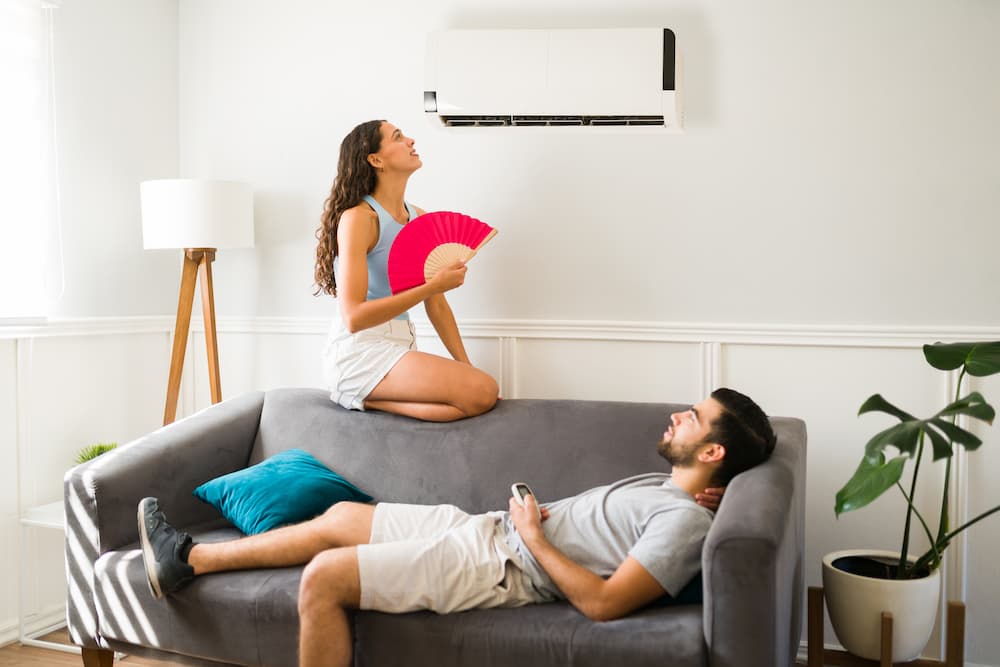
When your AC stops working in the middle of the night, it can feel like an emergency, especially in Florida’s heat and humidity. Indoor temperatures can rise quickly, disrupting sleep and putting stress on your family and pets. While late-night breakdowns are frustrating, knowing what steps to take can help you stay calm and prevent further damage.
In this guide, we’ll walk you through what to do immediately, common causes, and when to call a professional.
Stay Calm and Check the Thermostat
If your AC stops working unexpectedly, start with the thermostat. Sometimes the issue is as simple as:
- Dead batteries
- Incorrect temperature settings
- Accidental mode changes
- A tripped schedule
Make sure the thermostat is set to “cool” and the temperature is lower than the current room temperature. If your AC stops working and the display is blank, replace the batteries first.
Smart thermostats can also lose Wi-Fi connection or reset during power outages, which may cause your system to appear unresponsive.
Inspect the Circuit Breaker
Power issues are one of the most common reasons an AC stops working at night. Head to your electrical panel and check for a tripped breaker.
If you find one:
- Turn it fully off.
- Wait a few seconds.
- Flip it back on.
If the breaker trips again immediately, stop troubleshooting. When your AC stops working due to electrical problems, repeated resets can cause more serious damage.
Check the Air Filter
A clogged air filter restricts airflow and can cause overheating or system shutdown. If your AC stops working during high-demand periods, airflow blockage may be the culprit.
Replace dirty filters with clean ones and restart the system. Regular filter replacement not only prevents situations where your AC stops working but also improves indoor air quality and energy efficiency.
Examine the Outdoor Unit
If your AC stops working, take a quick look at the outdoor condenser unit. Check for:
- Debris blocking airflow
- Ice buildup on refrigerant lines
- Unusual noises
- A fan that isn’t spinning
If you notice ice, turn off the system immediately. Frozen coils often result from restricted airflow or low refrigerant levels. Continuing to run the unit after your AC stops working due to freezing can damage the compressor.
Listen for Warning Signs
Sometimes your AC stops working after giving subtle warnings, such as:
- Grinding or squealing sounds
- Warm air blowing from vents
- Weak airflow
- Frequent short cycling
Identifying these signs early can prevent complete system failure.
Consider Recent Weather or Power Surges
Florida storms often cause voltage fluctuations. If your AC stops working after lightning or a power surge, the issue may involve electrical components like capacitors or control boards.
In these cases, professional diagnosis is necessary to prevent further damage.
Temporary Cooling Tips While You Wait
If your AC stops working and immediate repair isn’t possible, try these short-term solutions:
- Use ceiling or portable fans to circulate air
- Close blinds and curtains to block heat
- Avoid using heat-generating appliances
- Stay hydrated
- Sleep in lower levels of the home where it’s cooler
These steps won’t replace air conditioning, but they can improve comfort while waiting for service.
When to Call a Professional
If your AC stops working and basic troubleshooting doesn’t fix the issue, it’s time to call an HVAC expert. Common causes requiring professional repair include:
- Refrigerant leaks
- Compressor failure
- Capacitor malfunction
- Electrical wiring issues
- Faulty blower motors
Attempting DIY repairs beyond simple checks can void warranties and create safety risks.
Prevent Future Nighttime Breakdowns
The best way to avoid panic when your AC stops working is through preventative maintenance. Regular tune-ups help identify worn parts before they fail.
A professional maintenance visit typically includes:
- Checking refrigerant levels
- Cleaning evaporator and condenser coils
- Inspecting electrical components
- Testing thermostat accuracy
- Lubricating moving parts
Preventative care reduces the likelihood that your AC stops working during peak summer nights.
Why Timely Repairs Matter
Delaying service after your AC stops working can worsen the issue. For example:
- Low refrigerant can damage the compressor
- Electrical faults can pose fire risks
- Overheating motors can burn out
Quick action protects your system and reduces long-term repair costs.
Trust Freedom Residential for Fast AC Repairs
When your AC stops working, you need fast, reliable service, especially after hours. Freedom Residential provides expert diagnostics, emergency repairs, and preventative maintenance tailored to Florida homes.
Our experienced technicians respond quickly, identify the root cause, and restore comfort efficiently. Whether it’s a minor repair or a major component replacement, we’re committed to keeping your home cool and safe.
Don’t suffer through the heat. Contact Freedom Residential immediately if your AC stops working and get professional help when you need it most.
Frequently Asked Questions
1. Why does my AC stop working at night?
Your AC stops working at night due to electrical issues, clogged filters, frozen coils, or thermostat malfunctions. Cooler nighttime temperatures can also reveal refrigerant problems.
2. Should I turn off my AC if it’s not cooling?
Yes. If your AC stops working or blows warm air, turn it off to prevent compressor damage and call a professional.
3. Can a dirty filter cause my AC to shut down?
Absolutely. Restricted airflow is a common reason an AC stops working unexpectedly.
4. How quickly should I call for repair?
If basic troubleshooting fails and your AC stops working, contact an HVAC technician immediately to avoid further damage.
5. How can I prevent future breakdowns?
Routine maintenance, timely filter changes, and professional inspections significantly reduce the chances your AC stops working during peak usage.